
South Park Characters: A Reference Guide to Shot Continuity
Explore shot continuity through 12 illustrated South Park character profiles, with advice on identity cues, framing, object exchanges, and episode reference context.

In a sequence of shots, a recognizable character needs stable visual cues. South Park characters demonstrate how a small set of shapes can do that work: a hood encloses a face, a hat widens a head, and a coat defines the body. When those cues change unexpectedly, a viewer spends time identifying the subject instead of following the scene. For a character for your next scene, try South Park Character Creator.
This article uses artwork from the South Park Public Library to discuss shot continuity. The gallery provides still references, while the scene examples are proposed planning exercises.
Establish the subject before the action
Begin a shot plan with a view that makes the figure easy to identify. Record the important clothing, headwear, and proportions. Then describe the movement. If the scene's first image hides the hat or crops away the body, a later shot may be recognizable but the opening will have given viewers too little information.
Kyle Broflovski

Kyle's green earflap hat and orange jacket make a clear establishing reference. The flaps define the sides of the head, so a planned turn should consider when one becomes hidden. The orange coat supplies a secondary cue, useful when the camera no longer shows the hat straight on.
Stan Marsh
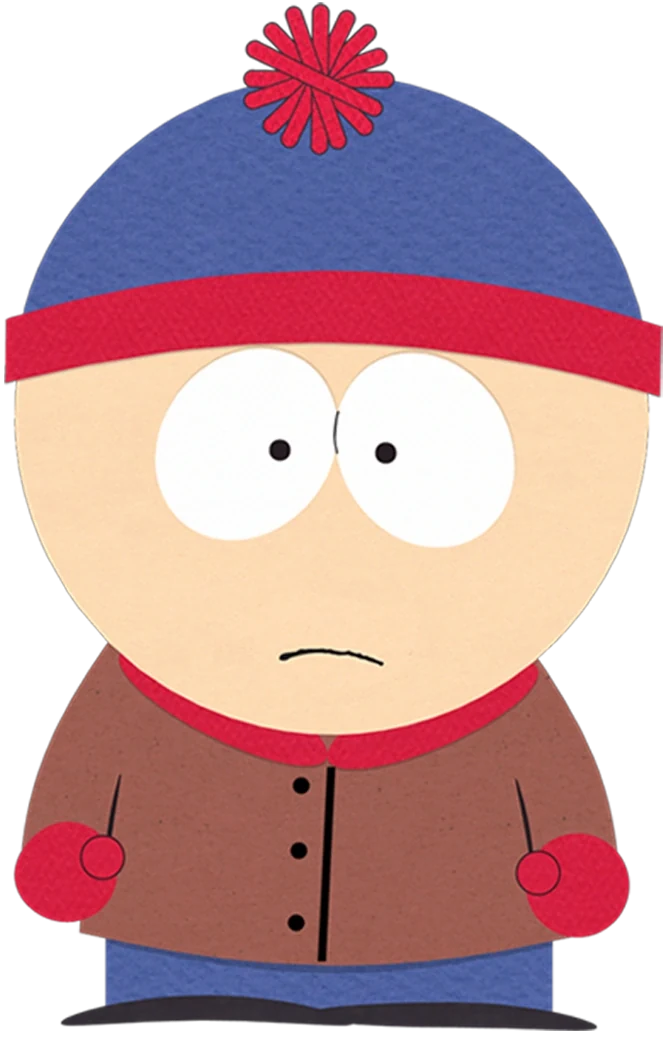
Stan's blue cap has red trim and a pom-pom, with a brown coat below. The red gloves repeat that accent. An establishing frame should show the cap clearly; later, a hand-level shot can still connect to the outfit through the gloves if the sequence has already identified the character.
Kenny McCormick
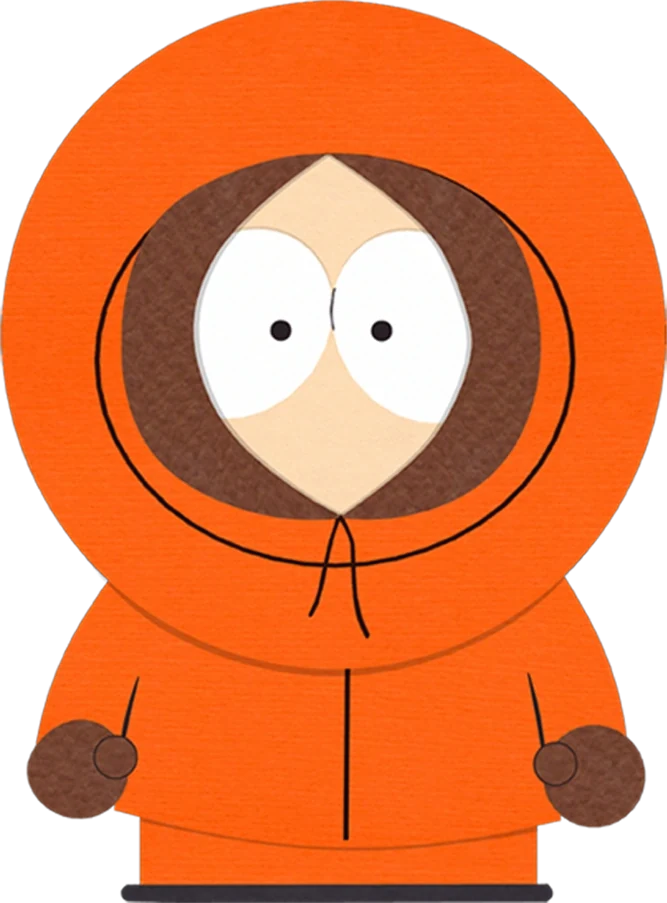
Kenny's hood encloses most of the face in orange and a dark inner border. A scene plan should not depend entirely on a visible mouth reaction. Use a readable body orientation or gesture when appropriate, and retain the hood shape so the subject remains identifiable throughout the proposed sequence.
Eric Cartman

Cartman's broad red jacket occupies more width than the other boys' coats. His turquoise cap and yellow mittens complete the palette. A group shot needs enough room for that proportion; later close framing can emphasize the cap, but the sequence should not quietly narrow the full-body design.
Distinguish a hidden detail from a changed detail
Wendy Testaburger
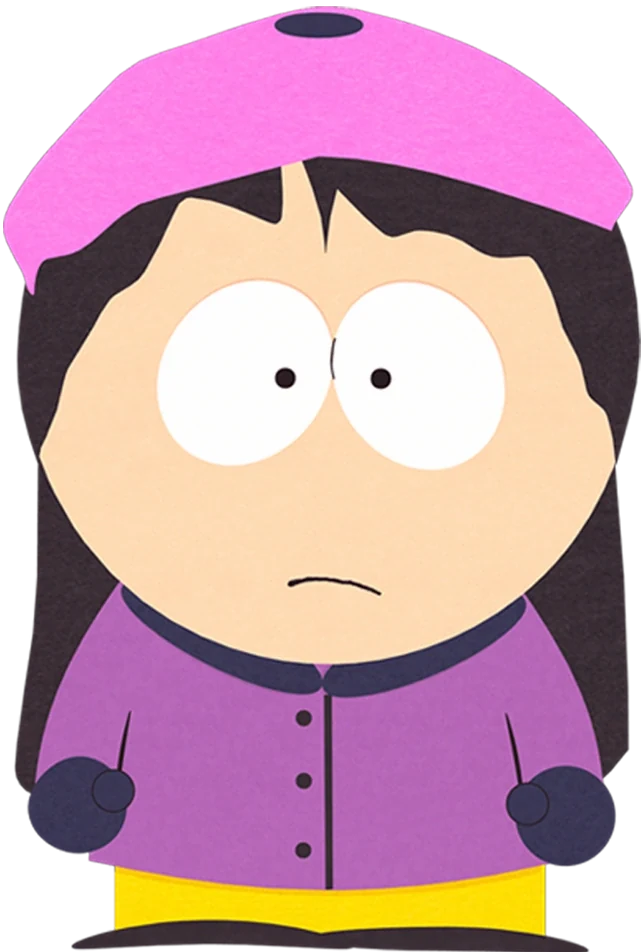
Wendy's long dark hair extends beside a purple jacket beneath the pink beret. A close shot can hide the lower hair without changing the design. When reviewing a sequence, compare what each frame can reveal rather than treating every cropped feature as an inconsistency that needs to be restored.
Bebe Stevens
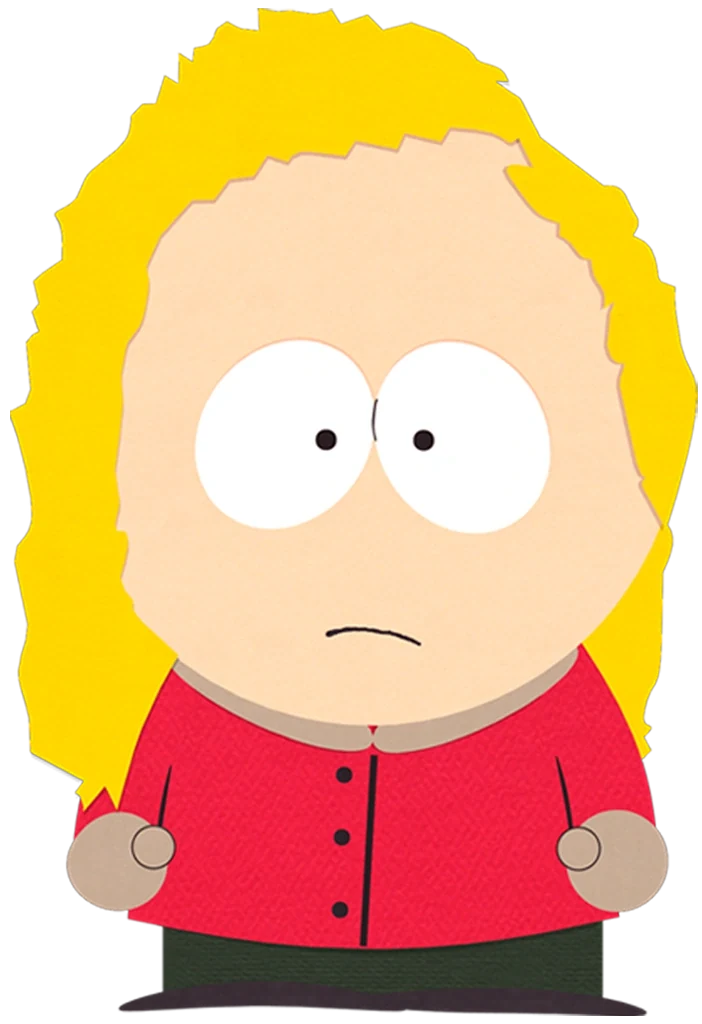
Bebe's blond hair fills a broad space around the head and shoulders. A side crop may reduce how much of that outline is visible, but the hairstyle should remain coherent. The red top gives a second anchor when the camera moves away from a straightforward portrait view.
Butters Stotch
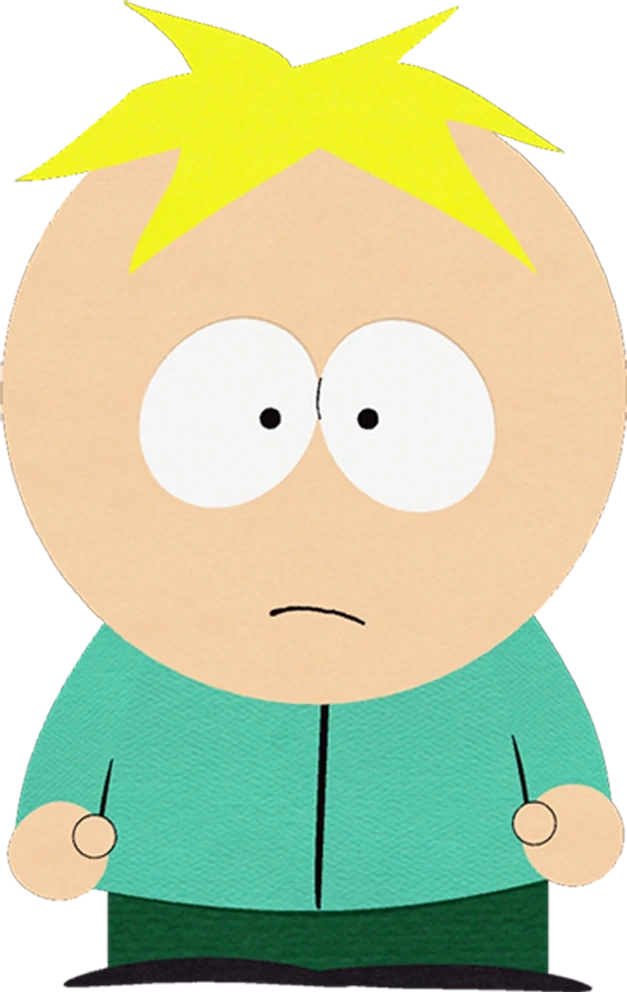
Butters' small blond tuft contrasts with Bebe's larger hair shape. His turquoise shirt remains a simple color block. For continuity notes, record the hair's compact size and the garment color first; those features are easier to compare across shot sizes than tiny differences in the drawn face.
Tweek Tweak

Tweek has a scattered blond hair contour and an olive shirt with an uneven front closure. The reference supplies those visible details, not a prescribed movement. If the scene requires a reaction, describe it separately and check that the proposed action does not replace the character's underlying appearance.
Preserve the figure's relationship to the frame
Craig Tucker
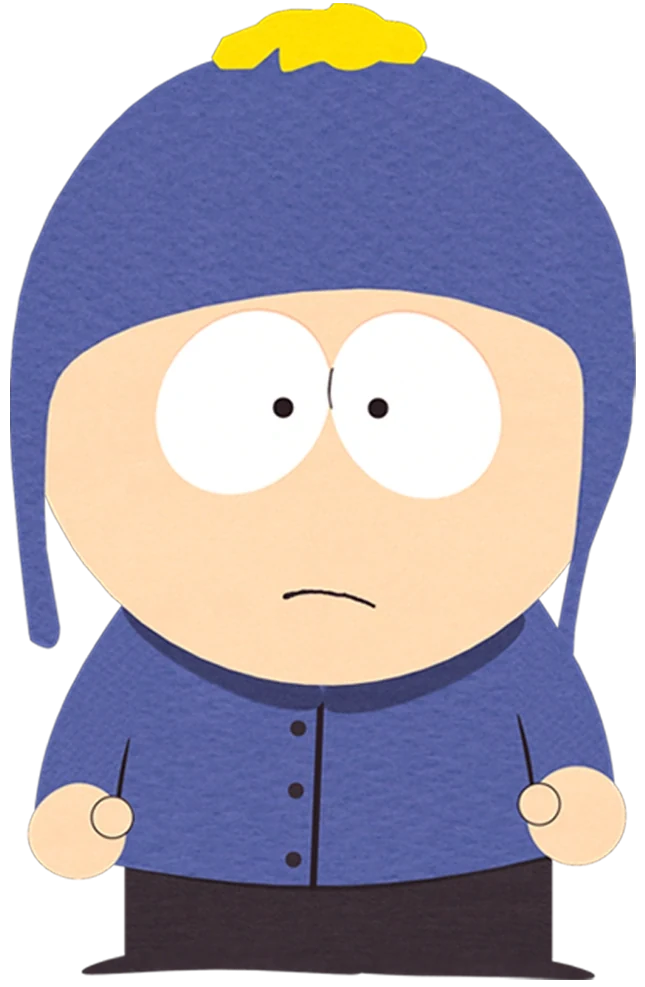
Craig's blue coat and earflap hat form a unified palette, topped by a yellow pom-pom. In a tighter shot, the hat shape carries more information than the coat. Keep the accent in its recorded location so a later image does not introduce a different accessory while retaining superficially similar colors.
Jimmy Valmer

Jimmy's crutches extend alongside his yellow top and connect to the full-body posture. A planned action should preserve their spatial relation to his hands. A close shot may legitimately omit the lower supports, but a subsequent wide view needs to make the complete arrangement clear again.
Timmy Burch
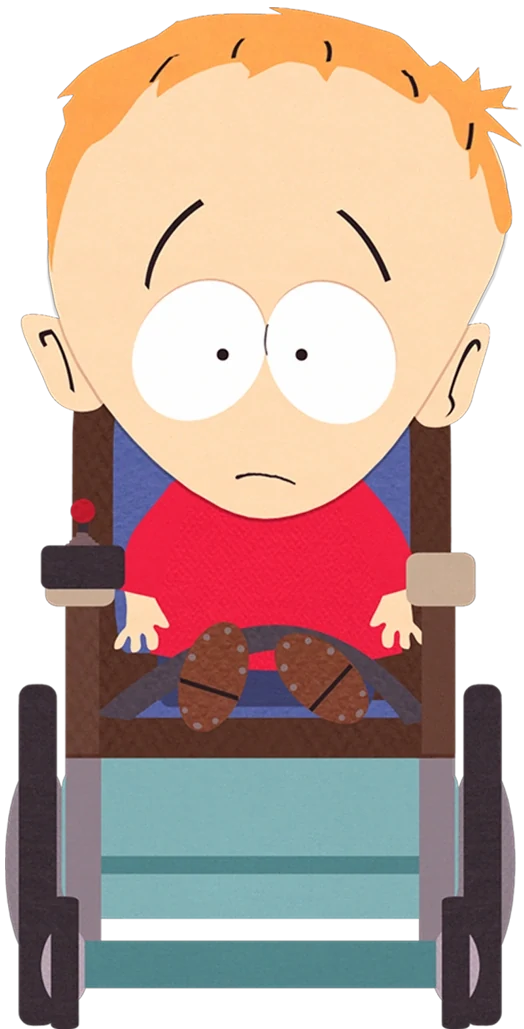
Timmy's red shirt is framed by his wheelchair, with the seated body above its lower structure. That posture should guide shot planning. When switching distance, keep the chair and body relationship consistent rather than treating the wheels as independent background objects that can move without the figure.
Randy Marsh
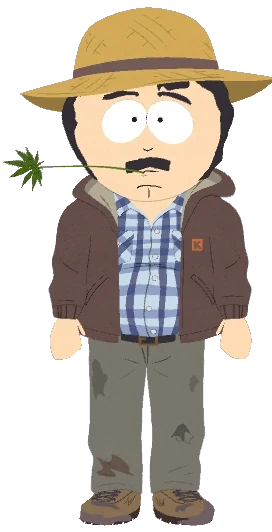
Randy's farmer outfit includes a brimmed hat, plaid shirt, and dark outer layer. Label this costume version before planning a sequence. If a new shot uses different clothing, decide whether that is a deliberate scene change; do not let an unlabeled reference variation look like unexplained continuity drift.
Use a small action to test the plan
For an original cartoon sequence, choose an action with a beginning and an end: a student picks up a dropped glove and hands it back. Establish the student and recipient in a clear view, move closer to the exchange, then show the response. Give the two original characters different dominant clothing colors so their roles remain readable.
This is a storyboard proposal, not a tested output. Its limited action helps you judge the plan before adding complicated movement. Record which hand holds the glove, who faces whom, and where the object ends up. Those simple relationships matter more to the story than adding a long list of style adjectives.
If you begin with a South Park character creator or South Park character maker brief, treat the still image as a reference that actual video results must be compared against. A matching first frame does not prove that later frames retain the same costume or proportions. Review the whole visible sequence and revise the specific discrepancy you find.
Develop a scene concept from the homepage, or explore the blog for other reference discussions. Actual generation capabilities depend on the available model and settings; this article provides a planning method rather than a performance claim. Choose the outfit and silhouette you want to track between shots when you try South Park Character Creator.
Follow the object through the exchange
In the proposed glove-return scene, the glove is a continuity anchor. Record where it starts, which person picks it up, and who holds it at the end. The shot sequence should make that transfer visible. If a close frame shows the glove in a different hand without explanation, the viewer may lose the action even though both character designs remain accurate.
Use the costume references to distinguish the two people while the object moves between them. One original figure could have a rust coat and round cap, while the other has a teal jacket and uncovered dark hair. Keep those large differences visible when the camera comes closer. A reaction shot should follow the exchange, not obscure the moment when possession changes. These simple spatial relationships provide a stronger foundation for a readable sequence than adding several simultaneous movements before the central action is clear.
Why the Warcraft context needs a separate note
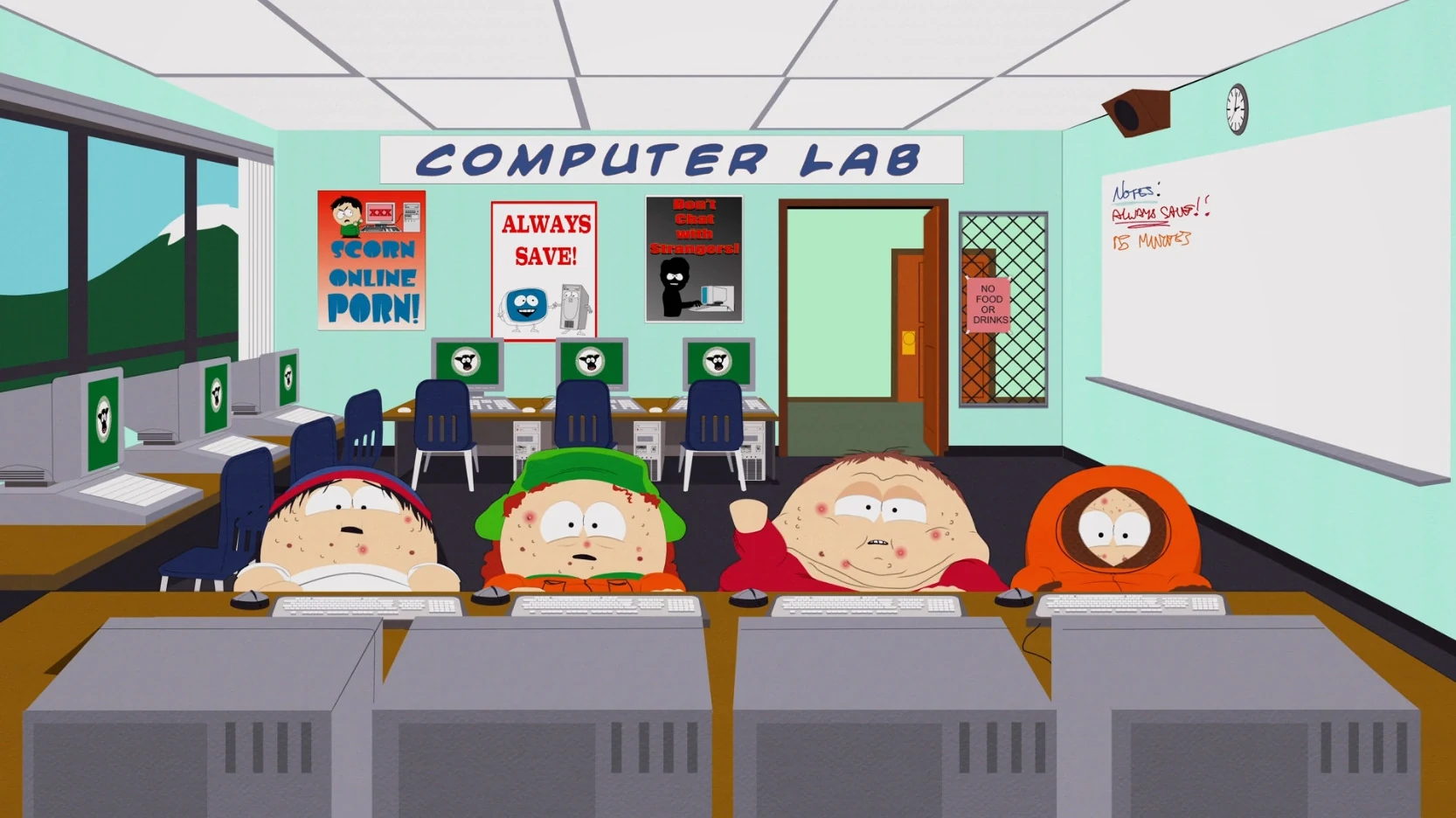
The South Park World of Warcraft topic points to Make Love, Not Warcraft. A powerful player repeatedly kills the boys' game characters, and Cartman develops a plan to make the group strong enough to defeat him. The episode connects a shared activity with changed appearances.
The computer-lab frame keeps the group identifiable through clothing and headwear. Kyle's green hat, Kenny's orange hood, and Stan's blue-and-red cap remain visible. Cartman's red jacket is present, but his usual cap is absent. The setting supplies context for those differences from the earlier portraits.
For a South Park maker shot plan, establish which version the sequence uses. An ordinary Cartman South Park portrait and this episode frame are both useful, but they should not silently supply contradictory costume instructions. Continuity begins with a clear reference context and an explicit choice of identity cues. To develop a character for your next scene, try South Park Character Creator.